Oxford’s postcard image rarely includes the practical systems that keep daily life moving. We notice the spires, the bikes, the queues for coffee. We do not usually think about what happens beneath roads, behind buildings or at the edge of large sites when rain keeps falling. But a wet spell can show just how much a city depends on the hidden work of waste, drainage and temporary storage.
This is especially true where old infrastructure meets modern demand. Historic streets, busy colleges, new housing, hospitality venues and construction projects all put pressure on systems that were never built for current volumes. When water tables rise or access gets difficult, a minor problem can quickly become a public health issue.
That is why obscure-sounding services can suddenly enter the local conversation. In discussions about resilience, property managers and site operators may find themselves looking into emergency tankering Oxford, not because it sounds exciting, but because it is a practical response when normal arrangements are overwhelmed. It belongs in the same category as grit bins and backup generators: rarely celebrated, but much appreciated when conditions turn.
The unglamorous side of preparedness
There is a broader point here about how towns adapt to disruption. Resilience is not only about flood barriers and big civic statements. Often, it comes down to whether someone has planned for the awkward details in advance.
- Access for specialist vehicles
- Contingency plans for busy sites
- Communication with residents and staff
None of this is photogenic, but it matters. The systems we ignore on ordinary days are often the ones that decide how well a city copes on difficult ones. Oxford, with its mix of age, density and constant activity, is a useful reminder that urban life depends as much on unseen logistics as it does on visible charm.
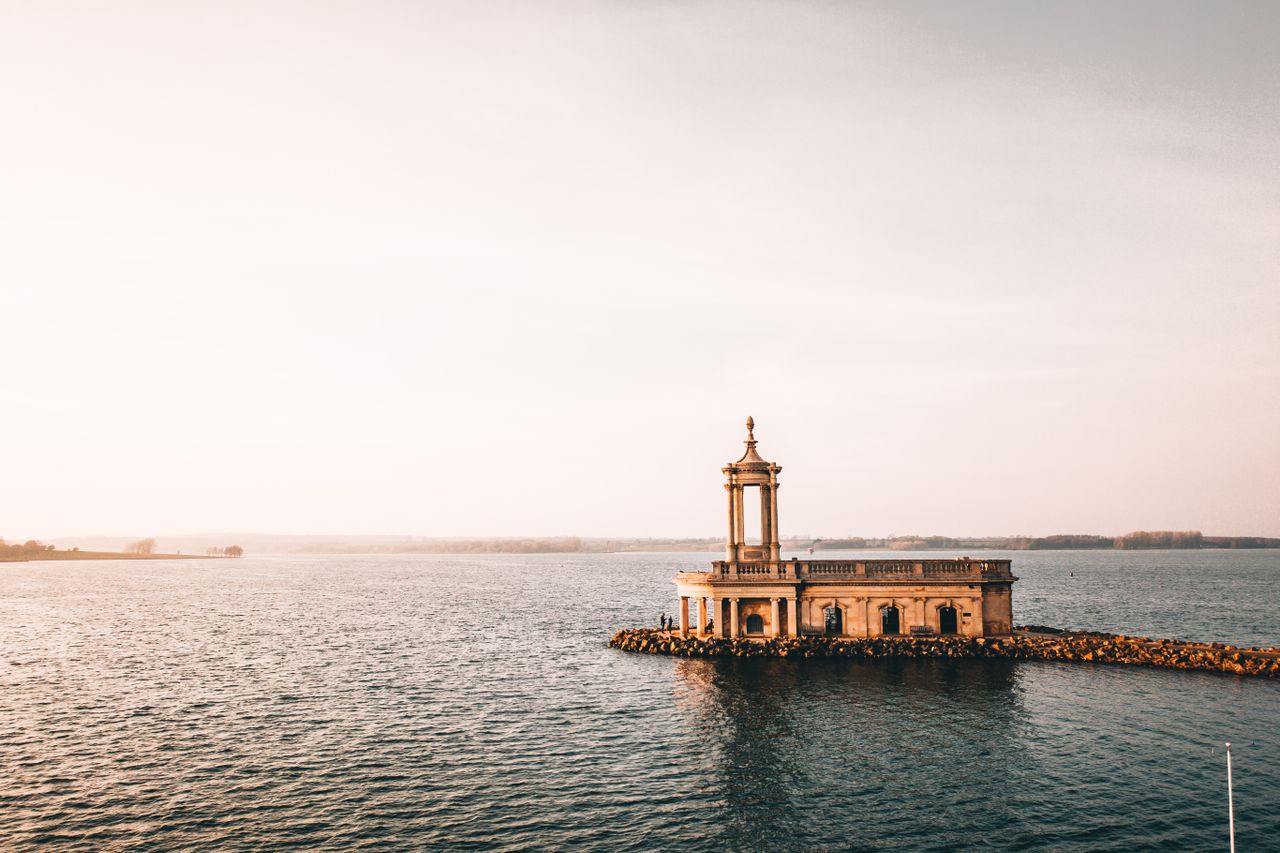
Featured image credit: TNP via Pexels.